Creating a memorable logo is an art that goes beyond basic shapes and colors. In today’s competitive digital landscape, innovative logo design techniques can turn simple ideas into impactful visual identities. These methods challenge conventional thinking and bring fresh energy to your projects. Whether you’re a student honing your skills or a seasoned designer seeking new inspiration, mastering these advanced approaches can set your work apart.
Innovative logo design techniques push creative boundaries, combining new tools and fresh perspectives to craft logos that are memorable, versatile, and meaningful. Experimenting with these methods can elevate your digital art projects and help you stand out in a crowded visual world.
Rethinking Shapes and Symbols
Traditional logos often rely on simple shapes and familiar symbols. To stand out, incorporate unconventional forms that challenge expectations. Think about breaking the grid or morphing basic geometric shapes into dynamic compositions. Use distortions, overlaps, or asymmetric layouts to inject energy and uniqueness. For example, transforming a circle into a fluid, organic form can evoke movement and innovation.
Playing with Negative Space
Negative space remains one of the most powerful tools in logo design. It can add hidden layers of meaning and surprise viewers. Instead of straightforward shapes, craft logos where the space between elements forms an image or symbol relevant to the brand. A famous example is the arrow hidden within the FedEx logo. To master this, sketch multiple variations and refine the interplay between positive and negative areas.
As renowned designer Paul Rand once said, “Design is the silent ambassador of a brand.” Using negative space intelligently allows your logos to communicate more with less.
Dynamic and Interactive Elements
In digital art, static logos can sometimes lack impact. Incorporate elements that suggest movement or change. Techniques like animated logos or responsive designs that adapt to different screens make logos more engaging. For static work, simulate motion through layered effects, gradients, or perspective shifts. These approaches give a sense of life and versatility to your creations.
Incorporating Unique Textures and Patterns
Textures can add depth and tactile appeal to logos. Instead of flat colors, experiment with patterns, brush strokes, or digital noise. Layering textures creates a rich visual experience and helps distinguish your work. Be cautious to keep textures relevant and balanced so they don’t clutter the design.
Using Bold Color Combinations and Gradients
Color choices influence perception heavily. Breaking away from traditional palettes, try bold, unexpected combinations or gradients that blend smoothly. Gradient meshes, in particular, allow for complex color transitions that give logos a modern, vibrant feel. Using gradients can also create a sense of dimension, making flat designs pop.
Embracing 3D Effects in 2D Space
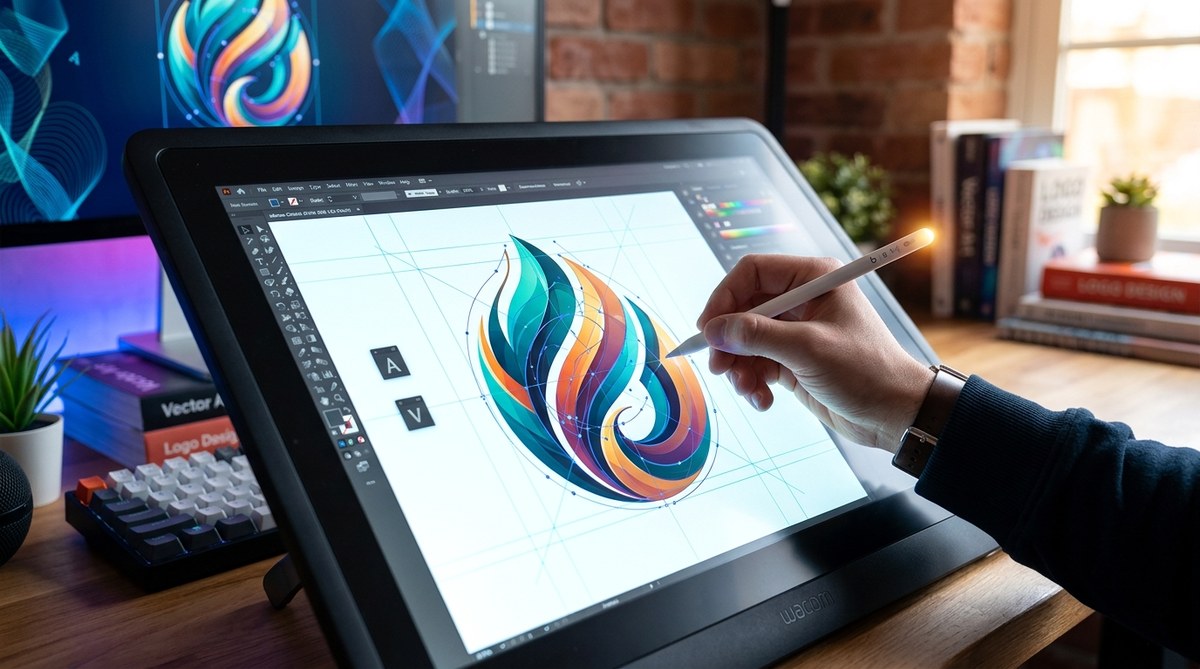
3D effects are increasingly popular in digital logos. Techniques like shading, highlighting, and perspective can give flat designs an illusion of depth. Tools like Adobe Illustrator or Affinity Designer make this accessible. Use subtle shading to maintain clarity while adding complexity, making your logo visually compelling.
Combining Multiple Techniques
The magic often happens when you blend several innovative methods. For instance, combine negative space with bold textures or animate a gradient-filled shape. This layered approach yields a logo that captures attention and tells a story. Think of it as orchestrating a visual symphony where each technique amplifies the other.
| Technique | Common Mistakes | Tips for Success |
|---|---|---|
| Negative space | Overcomplicating the design | Keep the hidden element simple and clear |
| Gradients | Using overly complex color transitions | Use subtle gradients for a modern look |
| Textures | Cluttering the logo | Balance textured areas with clean space |
| 3D effects | Losing clarity at small sizes | Use shading sparingly for scalability |
| Combining techniques | Overloading the design | Focus on harmony and purpose |
Practical Process for Applying Innovative Techniques
- Research and Brainstorm: Gather inspiration from various sources like architecture, nature, or abstract art. Sketch rough ideas integrating multiple techniques.
- Simplify and Experiment: Narrow down your concepts. Play with shapes, negative space, and textures. Use digital tools to test variations.
- Refine and Balance: Focus on clarity, scalability, and relevance. Ensure that textures and effects enhance, not overwhelm.
- Get Feedback: Share prototypes with peers or mentors. Take notes on what resonates or confuses.
- Finalize and Test: Export in different formats. Test how your logo looks at various sizes and on different backgrounds.
Common Pitfalls to Avoid
- Overloading the design with too many effects, which can distract from the core message.
- Ignoring scalability, especially with intricate textures or small details.
- Using colors or textures that don’t align with brand identity.
- Relying solely on trends without considering timelessness.
| Technique | Mistakes to Watch For |
|---|---|
| Negative space | Making the hidden image too obscure |
| Gradients | Overusing bright, neon colors |
| Textures | Sacrificing clarity for complexity |
| 3D effects | Creating designs that don’t scale well |
| Combining techniques | Losing focus or visual harmony |
Expert Advice on Pushing Creative Limits
“Innovation in logo design is about breaking rules thoughtfully. Use techniques like negative space or gradients as tools to tell a deeper story. Remember, the best logos are simple enough to be memorable but layered enough to intrigue.” — Creative Director Jane Doe
Applying Advanced Techniques in Your Projects
To bring these ideas into your own work, consider leveraging tools like mastering vector art techniques for stunning digital creations. This resource dives into tools and methods that make complex effects more manageable.
Feel encouraged to experiment with blending different approaches. For example, pair bold color gradients with textured overlays or create an animated logo with layered effects. The key is to stay curious and challenge your comfort zone.
A Final Word for Digital Artists and Designers
Innovative logo design techniques open up a world of possibilities. They invite you to think beyond the conventional and craft visual identities that truly stand out. Push your boundaries, test new ideas, and remember that every detail can add depth and personality. Your next impactful logo might just emerge from a daring experiment or a fresh perspective.
Embrace these methods, keep practicing, and don’t shy away from trying something different. Your digital art projects will thank you for it.