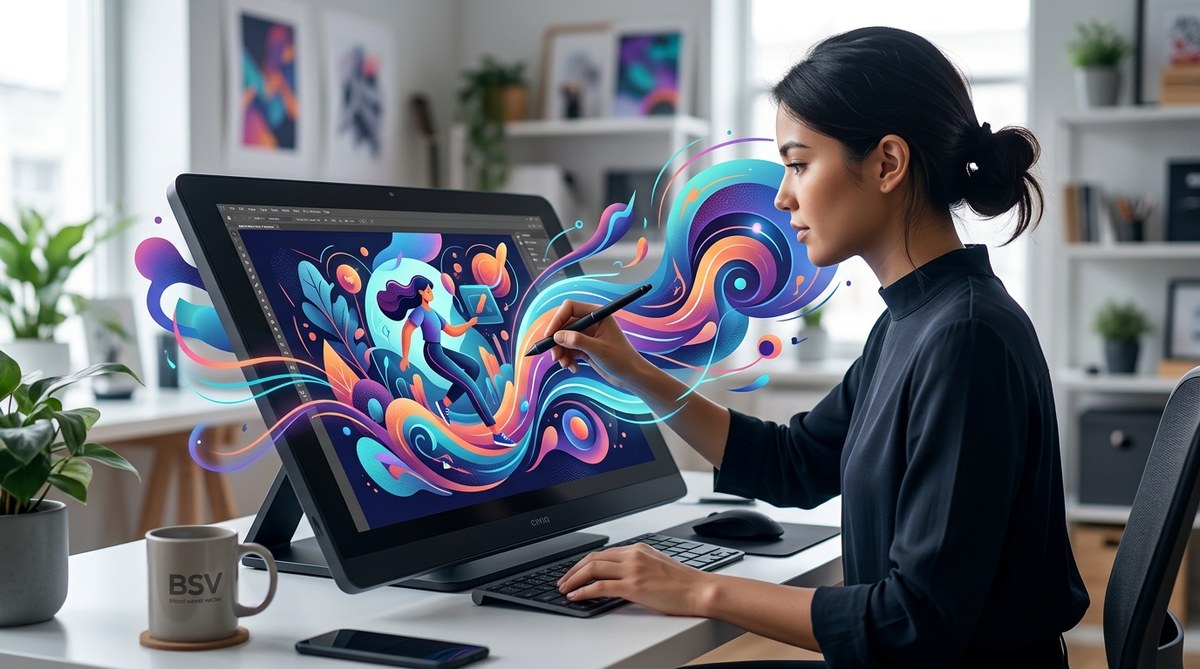
Unlocking new digital illustration techniques can revolutionize your artistic process. Whether you’re a seasoned artist or just starting out, mastering fresh methods keeps your work vibrant and relevant. The rapid evolution of digital tools offers endless opportunities to push boundaries and craft compelling visuals. This guide dives into innovative techniques that will help you stand out and bring your ideas to life with confidence.
Learning and applying new digital illustration techniques can significantly boost your creativity. This article covers practical methods, common mistakes, and expert tips to help you craft stunning digital art that captures attention and expresses your unique style.
Unlocking the potential of digital illustration techniques
Digital illustration is a versatile art form that combines technology and creativity. With constant advancements in software and hardware, artists can experiment with a wide array of styles and methods. From textured brushes to complex layering techniques, staying updated with current trends is essential for creating captivating visuals. Incorporating fresh techniques into your workflow can breathe new life into your projects and keep your portfolio competitive.
The key techniques that elevate your digital art
Embracing dynamic brushwork and textures
Using textured brushes is a game changer. They add depth and realism to your work, making flat digital images feel more tactile. Many software options, like Adobe Photoshop or Clip Studio Paint, offer brushes that mimic traditional media. Experiment with different textures to see what best complements your style. Remember, subtle variations can make your illustration more engaging.
Mastering layering and blending modes
Layers are fundamental in digital art. They allow for non-destructive editing and complex compositions. Blending modes further enhance this by controlling how layers interact. For example, using overlay or soft light blending modes can add subtle lighting effects or color variations. Practice combining layers with different modes to discover new visual effects.
Applying color intelligently with digital tools
Color choice influences mood and readability. Digital tools provide precise control over color application. Techniques like gradient maps or color overlays can create harmonious color schemes quickly. Don’t shy away from experimenting with vibrant palettes or muted tones. Learning to use color to guide viewers’ attention is crucial for impactful illustrations.
Incorporating lighting and shadows for realism
Lighting can dramatically transform your artwork. Use digital brushes with soft edges to paint highlights and shadows. Consider the light source’s direction and intensity to maintain consistency. Layering different shadow types and adjusting opacity can add depth and volume, making your characters or scenes more lifelike.
Utilizing vector techniques for crisp lines
Vector-based illustration offers clean, scalable lines ideal for logos, icons, or stylized artwork. Software like Adobe Illustrator or Affinity Designer excels in this area. Practice creating smooth curves and perfect shapes using anchor points. Combining vector techniques with raster elements can result in versatile, high-quality visuals.
Common pitfalls and how to avoid them
| Technique | Common Mistake | How to Fix |
|---|---|---|
| Textured brushes | Overusing textures leading to clutter | Use textures sparingly and focus on key areas |
| Layer blending | Overcomplicating layer hierarchy | Keep layer organization simple and label clearly |
| Color application | Using too many clashing colors | Stick to a limited palette and use color harmonies |
| Lighting | Inconsistent light source | Always check light direction and adjust shadows accordingly |
| Vector lines | Jagged or uneven lines | Use smooth anchor points and zoom in for precision |
“Remember, mastering digital illustration is about balance. Too much texture or overly complicated layers can distract from your main message. Focus on what enhances your artwork and keeps it clear.”
Practical process for adopting new techniques
- Identify your goal. Define what you want to improve, such as better lighting or more dynamic textures.
- Select suitable tools. Choose software and brushes that align with your goal.
- Practice with purpose. Create small projects or exercises focused on that technique.
- Review and refine. Analyze your work, identify areas for improvement, and experiment further.
- Incorporate into your workflow. Gradually integrate new methods into larger projects, maintaining consistency.
Tips for staying current with trends
- Follow artists on social media platforms like Instagram or ArtStation.
- Join online communities and forums dedicated to digital art.
- Take online courses from platforms like Skillshare or Udemy focusing on current techniques.
- Attend virtual or local art workshops and conferences.
Essential tools and resources
- Software options: Adobe Photoshop, Clip Studio Paint, Procreate, Affinity Designer.
- Hardware essentials: Drawing tablets such as Wacom or XP-Pen.
- Inspiration sites: DeviantArt, Behance, Pinterest.
- Tutorials: YouTube channels and dedicated art blogs.
Incorporating innovative techniques into your projects
Applying new digital illustration techniques can seem daunting at first. Start with small experiments, such as adding textured overlays or practicing lighting effects on sketches. Over time, these methods will become second nature, allowing you to craft more complex and compelling compositions. Remember, every artist’s journey is unique. Keep practicing, stay curious, and don’t be afraid to push your boundaries.
Elevate your work with continuous learning
Staying updated with current digital illustration techniques fuels your growth as an artist. By integrating fresh methods into your routine, your work gains a new level of professionalism and visual interest. Keep an eye on emerging tools and trends, and make a habit of challenging yourself with new projects. Ultimately, consistent experimentation leads to your signature style.
Keep pushing boundaries with your digital art
Your creative journey involves ongoing discovery. Try incorporating textured brushes, refining your layering skills, or experimenting with bold color choices. Each small step adds up to more vibrant and polished artwork. Remember, digital illustration offers endless possibilities, so keep exploring and having fun with your craft. Your next masterpiece is just a technique away.