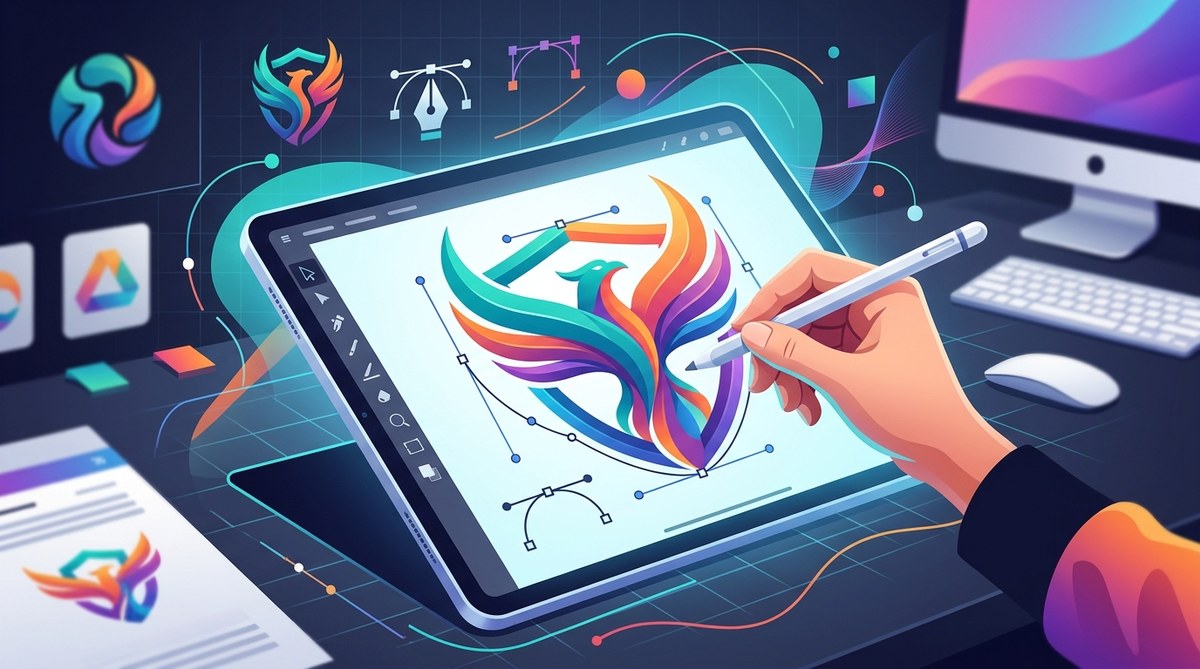
Creating a memorable logo is both an art and a science. Using vector art techniques allows you to craft designs that are sharp, scalable, and visually compelling. Whether you’re a seasoned graphic designer or a student eager to sharpen your skills, understanding how to create eye-catching logos with vectors opens up a world of creative possibilities. This guide will walk you through essential steps, tips, and common pitfalls to help you craft logos that stand out.
Mastering vector art for logo creation involves understanding fundamental techniques, practicing precision, and applying creative flair. Focus on simplicity, scalability, and consistency to produce eye-catching logos that leave a lasting impression.
Why Vector Art Is Essential for Logo Design
Vector art uses mathematical equations to create shapes and lines, which means your designs can be scaled infinitely without loss of quality. Unlike raster images, vectors are resolution-independent, making them perfect for logos that appear on everything from tiny business cards to large billboards. This flexibility ensures your logo maintains its sharpness across various mediums.
Moreover, vector graphics offer clean lines and precise control over shapes and colors, allowing designers to experiment freely. The ability to easily edit and refine elements makes vector art the go-to choice for creating professional-looking logos that are both versatile and visually appealing.
Setting Up Your Workspace for Logo Creation
Before diving into design, ensure your software is ready. Adobe Illustrator remains the industry standard, but free options like Inkscape or Affinity Designer also deliver robust vector tools.
Start with a clean workspace:
– Create a new document with appropriate dimensions.
– Use grid and guides to align elements.
– Set up layers for different parts of your design.
Familiarize yourself with basic tools such as the pen tool, shape builder, and pathfinder. These are your main weapons for crafting precise shapes and complex forms.
Practical Steps to Design Eye-Catching Logos
Designing a logo that grabs attention involves a systematic approach. Here is a step-by-step process to help you develop striking visual identities:
1. Brainstorm and Sketch Ideas
Begin with rough sketches on paper or digitally. Focus on concepts that reflect the brand’s personality. Think about symbols, initials, or abstract shapes that could serve as the foundation of your logo.
2. Choose a Color Palette
Select colors that evoke the right emotions and suit the brand. Limit your palette to two or three main hues for simplicity. Use color psychology as a guide—blues convey trust, reds evoke energy, and greens suggest growth.
3. Create Basic Shapes
Using vector tools, start building your shapes based on sketches. Combine circles, rectangles, and polygons to form the core of your logo. Remember, simplicity is key—aim for a design that’s recognizable and easy to reproduce.
4. Refine with Path Operations
Use pathfinder functions like unite, minus front, and intersect to combine or cut shapes. This step helps create unique forms and clean intersections, resulting in a polished look.
5. Add Typography
Select or create custom type that complements your shapes. Keep fonts simple and legible. For logos, consider customizing letterforms to integrate seamlessly with your graphics.
6. Apply Colors and Effects
Fill your shapes with your chosen palette. Use gradients sparingly to add depth, but avoid overcomplicating. Keep effects minimal to preserve clarity at small sizes.
7. Test for Scalability
Resize your logo to various sizes to ensure it remains clear and impactful. Make adjustments to details that become blurry or indistinct when scaled down.
8. Finalize and Export
Save your logo in multiple formats. Export as SVG for web use and PDF or EPS for print. Keep a master file in your design software for future edits.
Techniques for Creating Visually Stunning Logos
| Technique | Purpose | Common Mistakes |
|---|---|---|
| Simplification | Keeps logo recognizable at small sizes | Overcomplicating shapes |
| Negative Space | Adds cleverness and dual meaning | Overusing negative space, making it confusing |
| Symmetry and Balance | Creates harmony | Ignoring asymmetry when it enhances design |
| Consistent Line Weight | Maintains visual cohesion | Varying line weights that clash |
| Use of Contrast | Highlights key elements | Poor contrast causing illegibility |
“The best logos are simple, memorable, and versatile. Use vector tools to refine your shapes and ensure your design works across all platforms,” advises professional designer Sarah Lee.
Common Errors and How to Avoid Them
Creating eye-catching logos requires attention to detail. Here are some typical pitfalls:
- Overly complex designs that lose clarity when scaled down.
- Using too many colors that dilute brand identity.
- Ignoring grid and alignment tools, resulting in uneven shapes.
- Relying on effects that don’t translate well in different media.
- Neglecting to test the logo in various sizes and backgrounds.
Being aware of these mistakes and actively avoiding them can lead to cleaner, more impactful logos.
Enhancing Your Logo Design Skills
To elevate your ability, consider studying current trends and techniques. Regularly review inspiring logos and analyze what makes them effective. Practice by recreating existing logos in your software, focusing on mastering shape creation and color application.
You may also want to explore tutorials dedicated to vector art, such as those found on design-focused websites. For deeper insights, check out resources like
Final Tips for Creating Stunning Logos
- Keep your design simple and memorable.
- Use vector shapes for clean, sharp lines.
- Limit your color palette for clarity.
- Test your logo in various sizes and formats.
- Be open to iteration; rarely is the first draft perfect.
- Use negative space creatively to add hidden meaning.
- Focus on balance and symmetry for visual harmony.
By applying these principles and practicing consistently, you’ll develop logos that truly stand out.
Bringing Your Logo Ideas to Life
Designing eye-catching logos with vector art is a rewarding process that combines creativity with technical skill. Keep experimenting with shapes, colors, and compositions. Remember, the most memorable logos often come from simplicity and clarity. Use your tools wisely and trust your artistic instincts. With time and practice, you’ll craft logos that not only look good but also resonate deeply with viewers.