Getting into 2026, vector artwork continues to be a powerhouse in digital design. Whether you’re a seasoned graphic artist or just starting out, knowing where the industry is headed can boost your creative edge. This year, trending styles are blending innovation with tradition, pushing boundaries and redefining what vector art can do. From bold new aesthetics to smarter tools, there’s a lot to look forward to. Let’s unpack the key vector artwork trends shaping the year ahead and how you can incorporate them into your work.
In 2026, vector artwork trends focus on vibrant color palettes, experimental aesthetics, minimalism blended with complexity, and the seamless integration of animation and interactivity. Staying current means embracing new techniques and fresh visual vocabularies that capture modern audiences and resonate across digital platforms.
Embracing bold color palettes and expressive styles
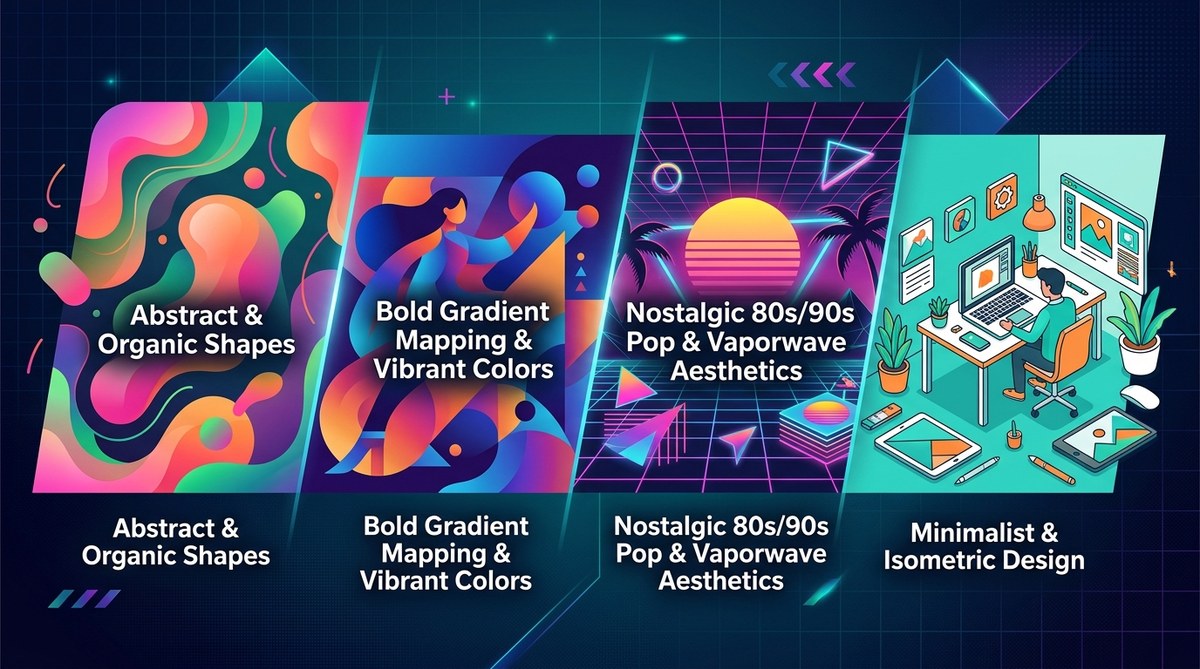
Bright, eye-catching colors are making a strong comeback in 2026. Modern vector art is shifting toward palettes that pop and energize. Think neon accents, pastel gradients, and high-contrast combinations that demand attention. Artists are experimenting with unusual color pairings to evoke emotion and set a mood. This shift is driven by the demand for more engaging visuals across social media, branding, and digital content.
Using bold colors effectively can elevate your work from ordinary to memorable. Incorporate gradients that transition smoothly or create flat but vibrant compositions. Tools like Adobe Illustrator and Affinity Designer are adding features that simplify complex color blending, making it easier to craft stunning visuals. Remember, a well-chosen palette can communicate tone faster than words, so experiment boldly.
Experimental aesthetics and pushing boundaries
Vector art in 2026 is all about challenging conventions. There’s a surge in experimental aesthetics that combine seemingly incompatible styles. Think glitch effects, distorted shapes, and layered transparency. Artists are also blending traditional hand-drawn elements with digital vectors, creating a hybrid aesthetic that feels fresh and authentic.
This trend encourages designers to think outside the box. For example, combining pixel art with clean vector shapes can produce a striking juxtaposition. Techniques like masking, layering, and custom brushes enable more complex compositions. As a result, your artwork can tell richer stories and connect more deeply with viewers.
“The future of vector art lies in its ability to adapt and incorporate different visual languages,” says digital artist Sarah Kim. “Don’t be afraid to experiment and find your unique voice.”
Minimalism with a twist
Minimalist designs remain popular, but 2026 sees them infused with intricate details and subtle textures. This approach balances simplicity with complexity, making visuals more engaging without overwhelming the viewer. Using limited color schemes combined with expressive line work creates a sophisticated aesthetic that works well across branding and UI design.
Designers are also exploring negative space creatively, making it an active part of the composition. Adding tiny decorative elements or subtle gradients can give depth to minimalist vectors. This trend suits projects that want to appear modern yet approachable, clean yet layered.
Incorporating animation and interactivity
The lines between static vector art and motion are dissolving. Animated vectors and interactive graphics are becoming essential in digital storytelling. From website icons to social media ads, movement enhances engagement.
In 2026, tools like Adobe After Effects and Rive are seamlessly integrated with vector design programs. You can create animations directly within your vectors or export them as interactive assets. This allows for more dynamic presentations, especially for apps, websites, and digital campaigns.
For example, animated icons with simple motion loops can add life to user interfaces. Interactive infographics respond to user input, making data more digestible and engaging. Incorporating movement into your vectors elevates their impact and keeps audiences hooked.
Techniques and pitfalls for modern vector art
| Techniques | Mistakes to Avoid |
|---|---|
| Using bold, contrasting colors | Overloading compositions with too many hues |
| Incorporating experimental effects | Ignoring accessibility with color choices |
| Balancing minimalism with detail | Overcomplicating simple designs |
| Combining hand-drawn textures with vectors | Relying solely on trendy effects without purpose |
| Creating animated vectors | Neglecting file optimization for web |
Practical steps to stay ahead in vector design
- Update your toolkit: Explore new features in vector software to leverage gradients, transparency, and animation.
- Follow industry leaders: Keep an eye on artists pushing boundaries and share their insights on social platforms.
- Practice experimentation: Dedicate time to try out unusual color schemes, textures, and effects.
- Study trending work: Regularly review portfolios and design blogs to spot emerging styles.
- Integrate interactivity: Learn basic coding or animation tools to add motion to your vectors.
- Seek feedback: Share your experiments with mentors or online communities to refine your style.
Techniques to elevate your vector projects
To craft compelling vector artwork in 2026, focus on combining technical mastery with creative daring. For instance, blending gradients with flat shapes can add depth without complexity. Using masking techniques enables layered effects that feel more dynamic. Also, consider how motion can transform a static design into an engaging experience.
Here’s a quick comparison of common techniques and their pitfalls:
| Technique | Common mistake |
|---|---|
| Gradient overlays | Overuse leading to muddy visuals |
| Layered transparency | Loss of clarity if not managed properly |
| Custom brushes and textures | Excessive use causing clutter |
| Animation integration | Overly complex animations that distract |
The future of vector art in your hands
Staying updated with vector artwork trends for 2026 means embracing change and continuously practicing new techniques. Incorporate bold colors, experimental effects, and motion to make your work stand out. Use online tutorials and community feedback to refine your skills. Remember, the most compelling designs often come from pushing boundaries.
“The most exciting vector artworks are those that challenge norms and tell fresh stories,” advises seasoned designer Mike Lee. “Don’t be afraid to experiment and break the rules.”
Keep your creativity fresh with evolving styles
As the visual landscape evolves, so should your approach. Mix traditional and digital techniques, stay curious about new tools, and keep your designs aligned with current trends. By doing so, your work will resonate in a crowded digital space and inspire others.
Whether you’re creating for branding, social media, or digital art collections, these trends provide a rich palette of ideas. Incorporate them thoughtfully, and your vectors will speak louder and clearer in 2026.
Harnessing innovation for your vector art journey
In the end, the key to thriving in the vector art scene this year is to stay curious and adaptable. Experiment with new styles, sharpen your skills, and let your unique voice shine through. Keep practicing and sharing your work. The future of vector art is bright, and your next masterpiece could be just one idea away.